We Audited a Superfan's Wallet and Honestly? Someone Call a Financial Advisor
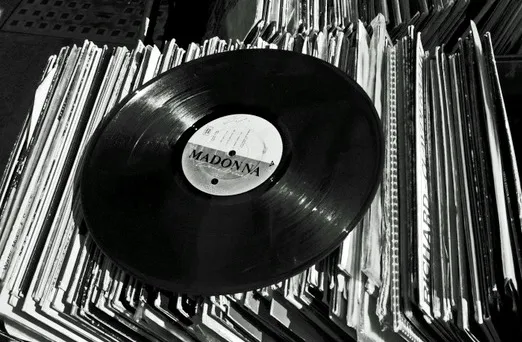
Photo: Des Byrne, CC BY 2.0, via Wikimedia Commons
Meet Jordan. Twenty-six, lives in Ohio, works a perfectly normal marketing job, pays rent on time, has a 401(k) they occasionally glance at. Jordan also spent $4,312 last year on one artist. We're not naming the artist. Jordan asked us not to. The artist knows who they are.
We got our hands on Jordan's fandom spreadsheet — yes, they keep one, no, they are not unique — and turned it into the financial audit nobody asked for but everybody secretly needs.
Line Item One: The Subscription Stack
Jordan's monthly loyalty bill reads like a streaming service board meeting. Spotify Premium ($11.99), the fan club membership ($39.99 a year, auto-renewed at 3 a.m. without their knowledge), a vinyl-of-the-month situation ($34.99), and a merch membership tier that unlocks 'early access' to drops ($9.99 a month, which is $120 a year for the privilege of spending more money later).
Total annual cost of just access: roughly $300. That's before a single physical item enters the house.
'It's like a gym membership,' Jordan told us, 'except the gym is my emotions and I can't cancel.'
Line Item Two: The Vinyl Variant Situation
Here's where things get spicy. Jordan owns eleven copies of the same album. Eleven. There's the standard black, the indie-exclusive baby blue, the Target edition with a bonus track that's also on streaming, the 'anniversary' clear pressing, and seven variants we can only describe as 'colorways that exist solely to punish completionists.'
Total damage: $418. Resale value of the collection: don't ask. Streaming-era vinyl isn't an investment, it's a relationship with a cardboard sleeve.
Industry folks have a name for this. 'Variant fatigue' is the polite term. 'The infinite drop strategy' is the honest one. Labels figured out that if you release six limited editions over eight months, the algorithm treats each one like a fresh event, and the fans treat each one like a fire drill. Nobody sleeps. Everybody buys.
Line Item Three: The Tour Math Nobody Puts in the Bio
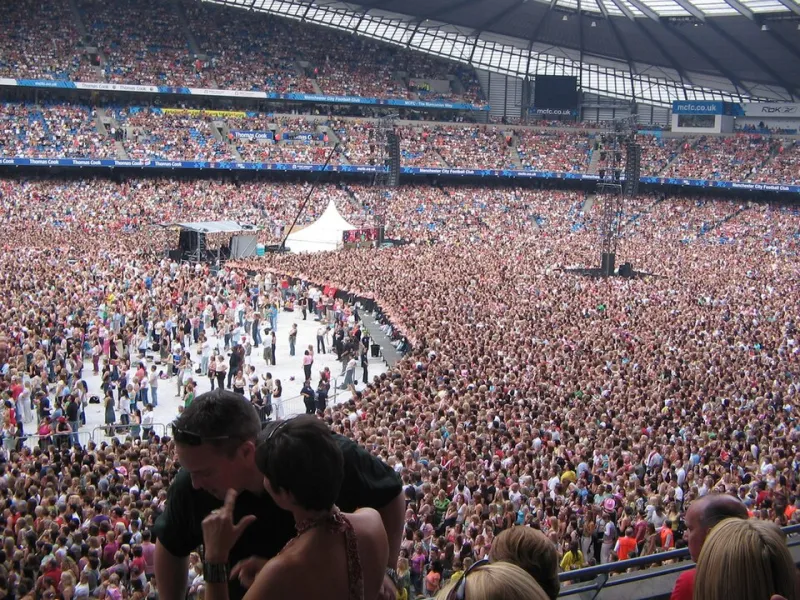
Jordan saw the tour twice. Not because they're made of money — because the artist played two nights within driving distance, and the fan club presale code only worked for night one, and by the time Jordan recovered emotionally, night two tickets had hit 'verified resale' pricing.
The receipts:
- Tickets: $612 for two (nosebleeds, but spiritually front row)
- Fees: $94.50, a number Jordan has memorized out of rage
- Hotel: $189, because 'driving back at 1 a.m. is for people who don't love music'
- Merch at the venue: $85 for a hoodie that cost $12 to make and is currently the softest thing Jordan owns
- The 'surprise' pop-up shop exclusive: $45
Grand total for two nights of singing badly with strangers: about $1,025. Jordan describes it as 'the best money I've ever spent' and also 'I ate rice for March.'
Line Item Four: The Drops That Never Stop
Here's the part that turns a hobby into a payroll. It's not one purchase — it's the cadence. Anniversary editions. Deluxe editions with one new song. A cassette because cassettes are back, apparently. A holiday ornament. A $28 sweatshirt to commemorate a single that spent four weeks on the chart.
Jordan's non-tour merch total for the year: $612. Add in the 'I thought this was the last variant' misfires and a birthday gift from a fellow stan that Jordan repaid in kind, and you're at a number we won't print because Jordan's mom reads this site.
So Who Designed This Machine?
We talked to Dr. Elena Ruiz, who studies fan economies at a large public university, and she was refreshingly blunt. 'Fandom didn't get more intense. Fandom got more invoiced,' she told us. 'Twenty years ago, being a superfan meant knowing all the B-sides. Now it means managing a portfolio. The industry discovered that emotional loyalty converts to recurring revenue, and they built the plumbing to collect it.'
Her point about the subscription-ification of love is the uncomfortable one: fan clubs used to be free newsletters. Now they're tiers. Presales used to be a perk. Now they're a paywall with a countdown clock. And every 'limited' drop is limited until it isn't.
'The genius move,' Ruiz says, 'was making fans feel like insiders rather than customers. Nobody budgets for belonging. They just pay for it.'
Jordan's Year, Tallied Up
Subscriptions and memberships: ~$300 Vinyl and physical media: ~$418 Tour weekend (all-in): ~$1,025 Merch drops, pop-ups, and chaos: ~$612 Miscellaneous (we don't want to talk about it): the rest
Grand total: north of $4,000. For one artist. Jordan makes it work by treating it like a hobby budget, which is genuinely healthy, and by refusing to calculate the hourly 'cost per hour of joy,' which is less healthy but very funny.
And honestly? We're not here to shame Jordan. We're here to say the quiet part loudly: if you've ever felt like being a fan got more expensive, it's not your imagination, and it's not your loyalty problem. It's a business model. Love the music. Go to the show if you can. But maybe — maybe — you don't need the seventh blue one.
Jordan disagrees. Jordan pre-ordered the eighth.