Breakup Season Is a Business: Inside America's Crying-Playlist Economy
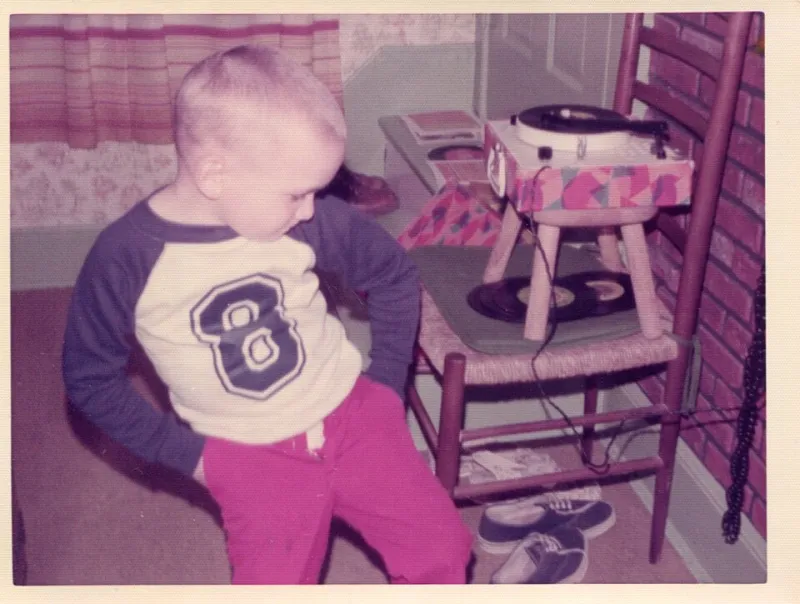
Photo: Shixart1985, CC BY 2.0, via Wikimedia Commons
Somewhere between the first pumpkin spice latte and the first sweatshirt weather emergency, it happens: your streaming app quietly reshapes itself into a support group. The playlists get moodier. The covers turn gray and grainy. And suddenly the entire country is speed-walking to class or the DMV while a woman with a devastating falsetto explains that he was never going to call back.
Breakup season isn't a coincidence. It's a quarter.
The Fiscal Calendar of Feelings
Here's the thing nobody says out loud: sadness has peak hours. Stream data consistently shows a dip in party music and a spike in slow, gutting ballads as the days get shorter — a shift so reliable that labels now plan around it like retailers plan around Black Friday.
The formula is simple. Summer belongs to upbeat, windows-down singles engineered for festivals and TikTok dances. But fall? Fall is when people stay in, replay old texts, and press play on a five-minute song about a porch light. Labels know a ballad released in October has a runway straight into year-end "best of" lists, holiday-season nostalgia, and — if it really hits — a January resurgence when everyone's newly single and broke.
So when a major artist "suddenly" announces a vulnerable piano record every autumn, understand: that's not a mood. That's a launch window.
A Timeline of the Sad Girl Era
- The Foundational Years: Singer-songwriters spent decades proving that quiet devastation could fill arenas. The blueprint: minimal production, maximum specificity. Singing about a scarf or a birthday party hits harder than any "baby baby baby" ever could.
- The Tumblr Incubation (early 2010s): Lyric screenshots became their own art form. A devastating line over a grainy photo was the original sad girl content.
- The Streaming Pivot (mid 2010s): Playlists replaced radio as the gatekeeper. One spot on a mega-playlist called something like "Late Night Feels" could turn a bedroom ballad into a billion-stream behemoth.
- The Full Industrialization (2020s): Sadness became a genre with its own aesthetic — lo-fi visuals, handwritten liner notes, one acoustic performance video with 40 million views. Labels started signing artists specifically because they sounded like crying.
Why We Keep Hitting Replay
We talked to fans — okay, we lurked in comment sections and group chats — and the psychology is remarkably consistent. Nobody streams breakup ballads to feel worse. They stream them to feel understood. There's a specific comfort in hearing a stranger articulate the exact weird thought you had at 3 a.m., set to a minor chord.
It's also communal. Sad playlists are the group chat's love language — you don't send a friend a pep talk after their breakup, you send them a song and the words "track 4. I'm so sorry. Track 4."
And then there's the science-adjacent angle: a devastating chorus is basically an emotional workout. You cry, you feel wrung out, you feel lighter. It's cheaper than therapy and you can do it in the Uber.
The Starter Pack: 10 Tracks That Built the Machine
Fire up a fresh playlist, because these are the load-bearing heartbreak songs of the modern sad girl canon:
- The one about the scarf that started a thousand think pieces
- The whispered acoustic track that made crying in a Target parking lot feel cinematic
- The "we almost had it" anthem every wedding DJ refuses to play
- The seven-minute odyssey that redefined what a single could be
- The piano ballad that outsold the uptempo lead single and shocked exactly one label executive
- The song where the production stays happy while the lyrics self-destruct (a genre all its own)
- The stripped-back bonus track that became bigger than the actual album
- The duet where both people are clearly still in love and clearly never getting back together
- The bridge so iconic it gets screamed in stadiums by people who weren't even alive when it dropped
- The new one — the ballad from this fall's biggest rollout, currently soundtracking 4 million crying Stories
Long Live the Cry
Will sad season ever end? Unlikely. As long as autumn exists, streaming platforms will gray their thumbnails, labels will schedule their most tender records for October, and the rest of us will keep building playlists like emotional dioramas of our worst decisions.
Honestly? We wouldn't have it any other way. Pass the tissues and the aux cord.