The 15-Second Science: Why Your Brain Can't Quit That One Song
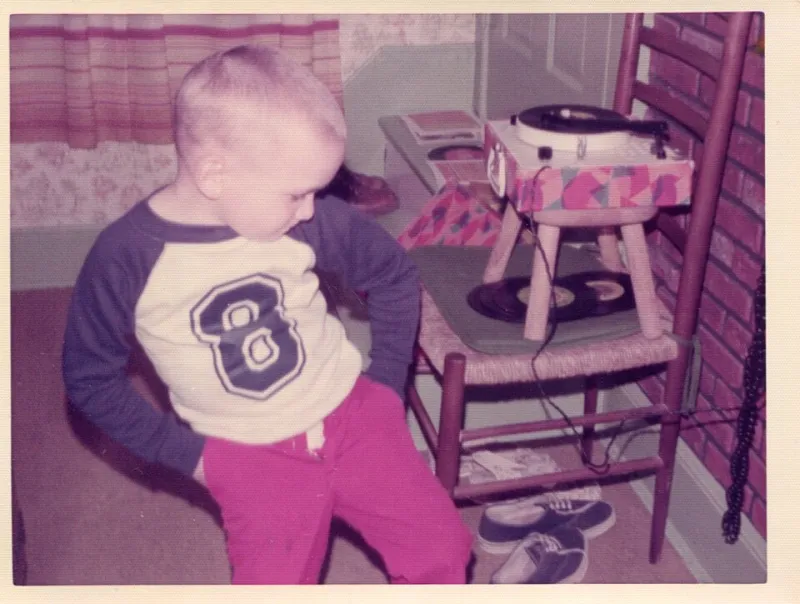
Photo: Funcjeff, CC0, via Wikimedia Commons
You know the feeling. You're scrolling, minding your business, and suddenly the same four seconds of a song you've heard 900 times hits your ears again. You don't skip it. You can't skip it. Congratulations — you've been earwormed, and science (plus a whole lot of very strategic producers) says it was never random.
The Hook Lives in the First Fifteen Seconds
Gone are the days when a song could spend two minutes building to a chorus. The modern hit front-loads everything. Producers now talk about the "TikTok window" — the roughly 15-second stretch where a track either grabs you or gets swiped into oblivion.
We spoke with Marcus not his real name, he asked us to say that Delgado, a LA-based producer who's worked on tracks you've definitely had stuck in your head, and he broke it down plainly: "We write the hook first and build the song around it. Sometimes the hook IS the whole pitch. If a 15-second clip doesn't slap on a phone speaker, we go back to the drawing board."
That means dropped-in choruses, pre-chorus fake-outs, and what Delgado calls "the whisper moment" — that breathy, intimate vocal section that somehow sounds best through tinny earbuds. It's not a coincidence. It's engineering.
Case Study: The Song That Came Back From the Dead
Remember when Kate Bush's "Running Up That Hill" — a track from 1985 — suddenly topped charts nearly four decades later? One scene. One Netflix show. One perfectly synced moment of a kid on a bike. Suddenly every millennial's childhood was Gen Z's newest obsession.
Or take the sports route: songs like "Chelsea Dagger" or that one Fleetwood Mac skateboard video that sent "Dreams" back to the charts prove that a single cultural moment — a goal celebration, a guy drinking cranberry juice — can resurrect a track faster than any label campaign.
The lesson? Virality doesn't care about release dates. It cares about context.
The Producer's Playbook
According to the people making these things, modern earworms share a few DNA strands:
- Repetition with a twist — the hook repeats, but one element changes each time (a vocal chop, a drum fill) so your brain never fully predicts it
- The "doo-doo" factor — nonsense syllables and simple melodic phrases that anyone can hum after one listen
- Emotional whiplash — minor-key verses into major-key choruses create a tiny dopamine rollercoaster
- Space to breathe — a beat of silence right before the drop, which your brain treats like a tiny cliffhanger
"It's like writing a jingle and a heartbreak ballad had a baby," Delgado says. "You want people to feel something AND be able to lip-sync it in a grocery store parking lot."
The PopPolar Viral-ability Scorecard
Want to know if a song in your playlist has what it takes? Rate each out of 10:
- The Instant Grab — Does the hook hit within 15 seconds?
- The Hum Test — Can you sing it accurately right now, from memory?
- The Phone Speaker Test — Does it still slap at 40% quality?
- The Move Factor — Does it make you want to do a dance, even a bad one?
- The Context Bonus — Is it attached to a show, meme, or sports moment?
Score 40 or above: you're holding a certified earworm. 25–39: solid B-tier, could spike with the right movie scene. Below 25: congratulations, you have taste that predates the algorithm. We respect it.
So Is This Ruining Music?
Purists will tell you the 15-second economy is killing the album. But here's the thing — every era of pop has had its formula. Motown had one. The boy-band boom had one. The only thing that's changed is how fast the machine moves.
And honestly? Some of the best songs of the last five years were born in that machine and outgrew it. A great hook is a great hook, whether it was engineered in a Nashville writers' camp or hummed into a voice memo at 2 a.m.
Now if you'll excuse us, that one song is playing again. We're going to go pretend we're annoyed about it.